




Read our 2025 annual report


Knowledge Hub


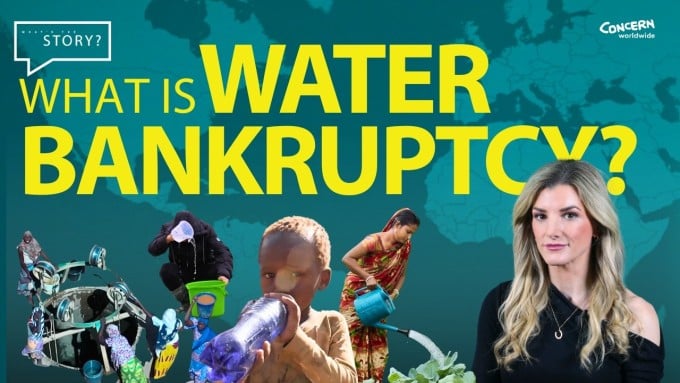
Humans need a steady stream of clean water to live. But that’s getting more and more difficult to come by.
Water affects our lives in countless ways. We use it to eat, to fuel our businesses, to keep our homes clean, and our plants fed. But less than 1% of the world’s water supply is directly usable by humans. The rest is saltwater, ice, or underground. What’s more, we have to make that less-than-1% last for 8.3 billion people.
The global water crisis is proof that we’ve come up dry: Reports from the WHO and UNICEF show that hundreds of millions of people are caught in a cycle of thirst — one that feeds into the cycle of poverty.
So what’s causing this epidemic of water scarcity? There are a number of factors, which in turn affect everything from harvests to public health. By addressing these 10 issues, we can do more with the 1% we have.

1. Droughts
Unsurprisingly, drought is one of the main reasons behind the global water crisis. The areas most vulnerable to its impacts – such as Somalia, with more than a decade of consecutive failed rainy seasons – are often water-stressed to begin with. As this crisis continues to deepen, those resources become all the more scarce. In sub-Saharan Africa, for example, 80% of farm land has been affected by soil degradation due to climate-related droughts.

2. Natural disasters
Drought isn’t the only natural disaster that’s contributing to our water scarcity crisis, however. On the opposite end of the spectrum, rising sea levels are salinating freshwater sources, meaning that they’re no longer potable as-is. In a country like Bangladesh, which sits predominantly at or below sea-level, this is a major threat (especially during monsoon seasons).
A recent UNICEF report notes that nearly 75% of all natural disasters between 2001 and 2018 were water-related. These events not only cut people off from clean drinking water, but also open up the risk for waterborne diseases like diarrhea, cholera, and malaria. The frequency and severity of these events are only expected to increase in the future.

3. War and conflict
Conflict in Syria, Gaza, and Yemen have all led to tremendous damage to water and sanitation infrastructure. At times, combatants specifically target local water points and wells. Internally-displaced people and refugees also face a lack of adequate water and sanitation services, often living in crowded informal camps (more on that in a bit).

4. Wastewater
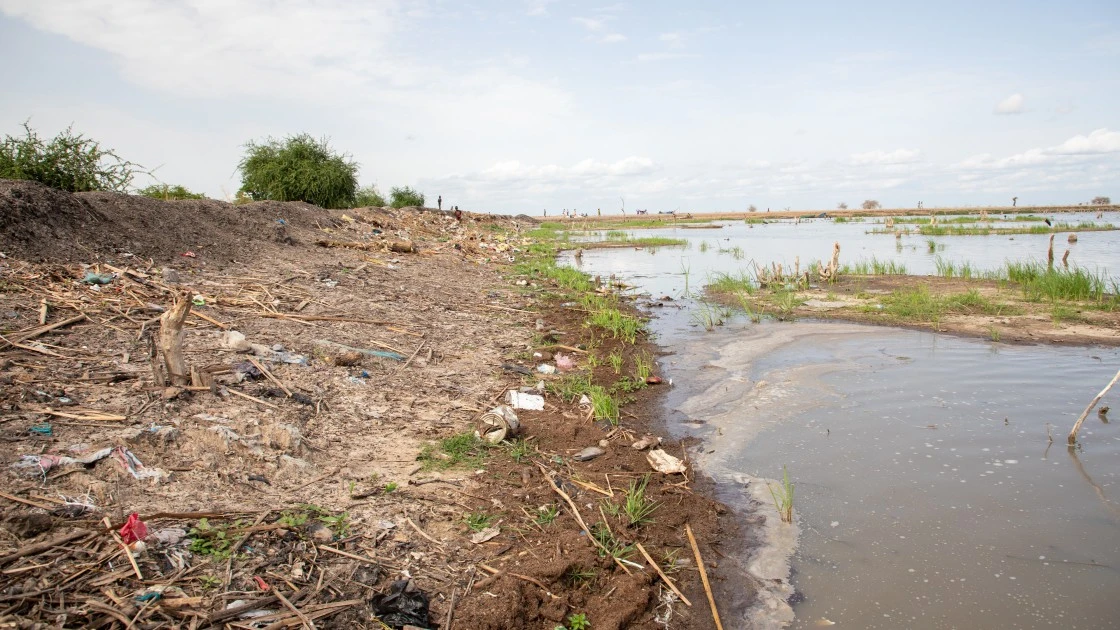
Sometimes water can be plentiful in an area. Whether that water is safe to use, however, is another story. This is the case in many areas of the world with poor systems for dealing with wastewater – water that is affected by human use, like washing dishes at home or used in an industrial process.
At a global scale, 44% of household wastewater is reused without being treated, and 80% of wastewater overall flows back into the ecosystem without being treated or reused. This leaves 1.8 billion people using water that can be contaminated by faeces, chemicals, or other toxic contaminants. Wastewater is one of the leading causes for many of the world’s most pervasive diseases, including cholera, dysentery, typhoid, and polio.
5. Water waste
Different from wastewater, water waste is what happens when we ignore dripping faucets, over-water our lawns, or ignore the free tap water served to us at a restaurant.
Some of these may seem like minor inconveniences, but they add up: Speaking with Vox, water management expert Shafiqul Islam estimates that these minor annoyances can account for anywhere between 30 and 40% of a city’s lost water. The average family can waste 680 litres per week, or 35,500 litres per year, due to household leaks. Add this all up and we’re looking at roughly 3.4 trillion litres of water lost annually.
In 2018, the city of Cape Town managed to avert “Day Zero” (the day in which the city would need to turn off all water taps for its 4 million residents) by limiting water use and focusing on the necessities first.

6. Lack of water data
We know that data is never the most exciting entry on a list, but it’s still key: UN-Water reports a lack of water quality data for over 3 billion people around the world. These are usually in areas where other factors on this list are at play, meaning that they’re at a credible risk for using non-potable water. Knowledge is power, and the only way we can ensure that we have a handle on the global water crisis is by ensuring that we know the health of all the world’s rivers, lakes, and groundwater reserves – not just some.

7. Lack of international cooperation on shared water sources
Many bodies of water sit across two or more countries, meaning that they’re effectively the subjects of joint-custody between nations. However, according to the latest update from the UN’s Sustainable Development Goals, only 24 countries report that all internationally-shared rivers, lakes, and groundwater sources are covered by cooperative arrangements.
What this means: If one country is following all of the protocol necessary to keep its side of a lake clean, that may be irrelevant if the waters on the opposite shore are not being treated with the same degree of care.

8. Lack of infrastructure
It’s not that countries willingly mismanage their water supplies. But many governments lack the infrastructure to properly invest in their water resources and allow clean water to reach those who need it. Countless water points were left unusable due to violence, disrepair, and overuse in the Central African Republic with some water sources purposely contaminated by armed groups. Fortunately, solutions don’t necessarily need to be high-tech. We’ve brought clean water solutions to villages using manually operated “village drills,” removing the need for electricity. They’re also 33% cheaper than typical mechanised drills, and can be transported to remote areas and assembled on site.

9. Forced migration and the refugee crisis
Informal settlements for refugees and internally-displaced persons create high-density areas of people and can put pressure on available infrastructure. In many cases, people will cross the nearest open border to flee conflict or other crises, which often leaves them in areas that face similar climate events, or have similarly stressed resources. This is why water trucking (which is exactly what it sounds like) is one of the key elements of Concern’s emergency response plans, as well as longer-term solutions that are more sustainable and cost-effective.

10. Inequality and an imbalance of power
In 2015, the UN reported that, underlying all of the barriers to solving the water crisis, was one simple fact: “The people suffering the most from the water and sanitation crisis – poor people in general and poor women in particular – often lack the political voice needed to assert their claims to water.” This disparity in power and lack of representation has widened that chasm. Closing it is a critical step to ensuring clean water for all.

The global water crisis: Concern’s response
Ensuring access to clean water and sanitation and providing hygiene information and training are key aspects of Concern’s work, with active water, sanitation, and hygiene (WASH) programmes in the majority of countries where we work.
Over nearly 60 years, we have dug, drilled, and bored thousands of wells in remote and vulnerable communities across dozens of countries, and built countless latrines in their schools and health centres. The hours saved and the illnesses prevented make it one of the most effective things we do. When drought or displacement prevent access to clean water supplies, we do what it takes to connect communities, including trucking water to temporary tanks and installing pumps in camps.
We work hand-in-hand with communities to help them assess the longstanding challenges they face, implement sustainable solutions, and ensure water and sanitation infrastructure will be maintained for the long term. We also foster a sense of ownership, build sustainable maintenance practices, and create transparent financial management systems that benefit the community.


